
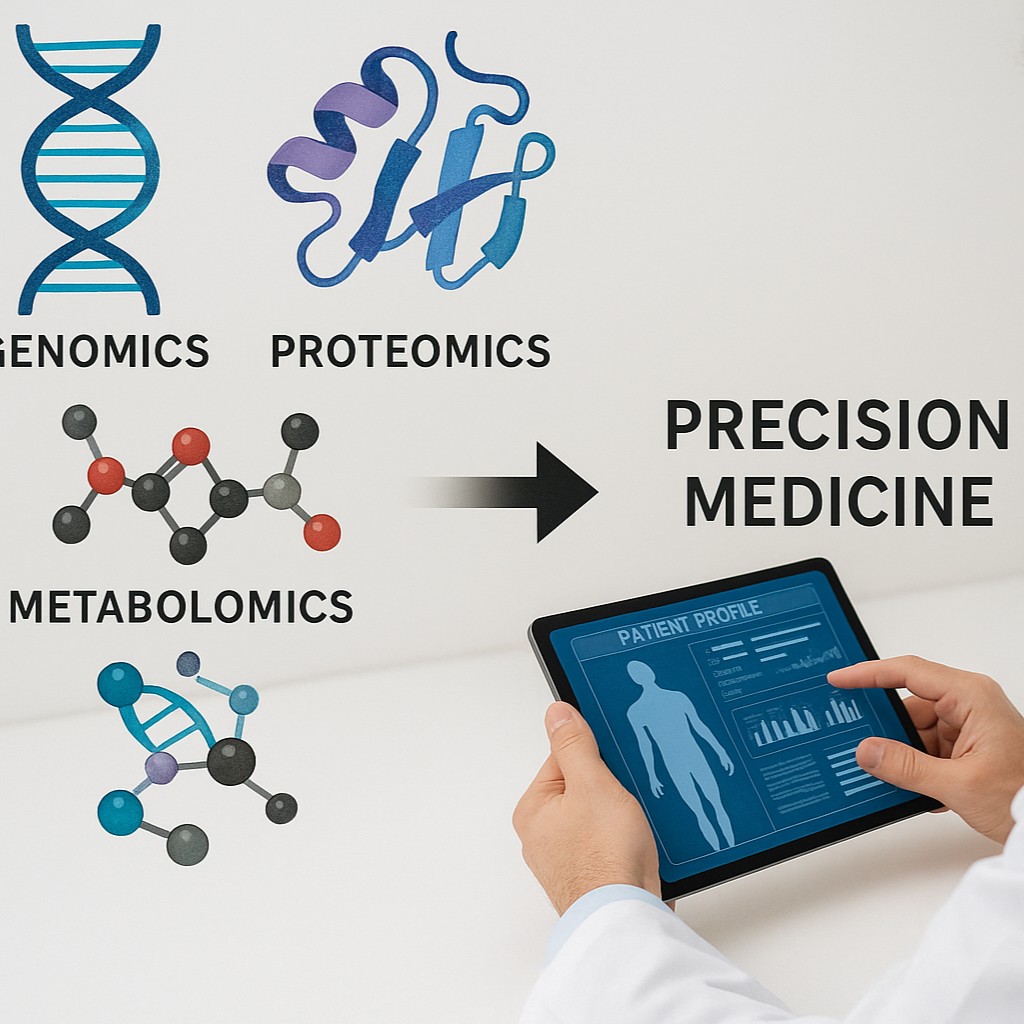
Precision Medicine — what can or can’t it do? How will it radically change the practice of medicine? A gentle introduction on how precision medicine is already being used — especially diagnosing rare diseases and cancer treatment and prevention. Learn “omics” such as genomics (measuring genes), proteomics (measuring proteins), metabolomics (measuring metabolites) and microbiomics (measuring gut microbes). Tour one of U of A’s precision medicine labs to see how these methods are applied in clinical settings. Discuss commercial “precision medicine” consumer services (23andMe, Ancestry, Molecular You). Using biobanked samples (blood or urine) and omics data collected, learn how computers and machine learning interpret measured “omics” data and how precise drug treatments and personalized lifestyle interventions can treat/prevent conditions. If interested, have your urine or blood analyzed (for free) using multiple omics techniques to identify conditions that may need watching and have a lifestyle or diet plan developed specifically for you.
Instructor: David Wishart
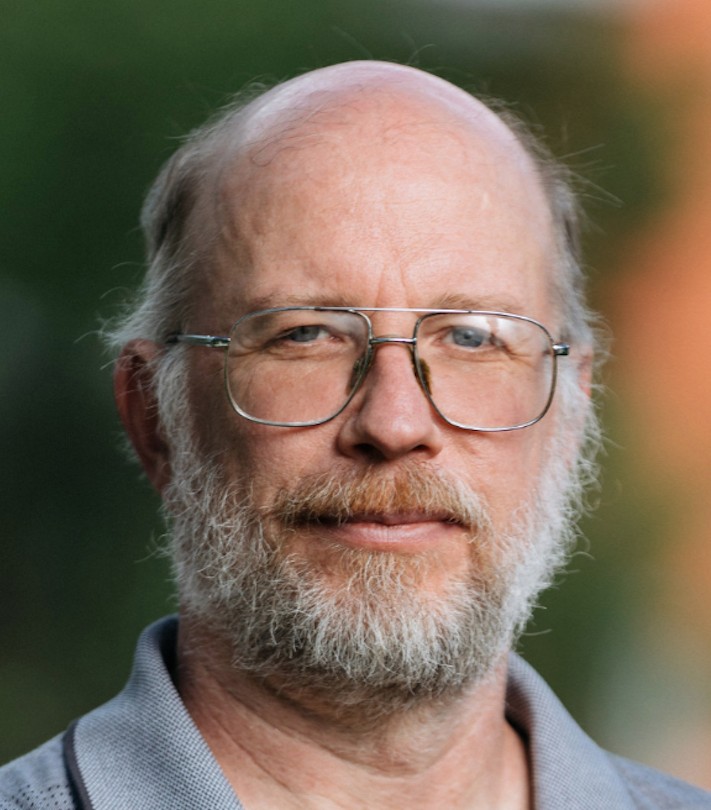
Dr. David Wishart (PhD Yale, 1991), Distinguished University Professor, Biological Sciences and Computing Science at U of A. Tier 1 Canada Research Chair and Fellow of the Royal Society of Canada. His research covers precision medicine, genomics, proteomics, metabolomics, analytical chemistry, clinical biochemistry, food chemistry, nanotechnology and machine learning. He has developed many techniques based on NMR spectroscopy and mass spectrometry to characterize structures of both small and large molecules and has led the “Human Metabolome Project” (HMP) for nearly 20 years. Dr. Wishart and his colleagues have identified or found evidence for more than 250,000 metabolites in humans. This information is now on a freely accessible web-resource called the Human Metabolome Database (HMDB). His efforts now focus on innovative methods in artificial intelligence and machine learning to develop new diagnostic tests and multi-omics panels to detect and diagnose dozens of diseases. He has published over 600 research papers.